Search for:
buildings
How Economic Growth Influences Singapore’s Property Market

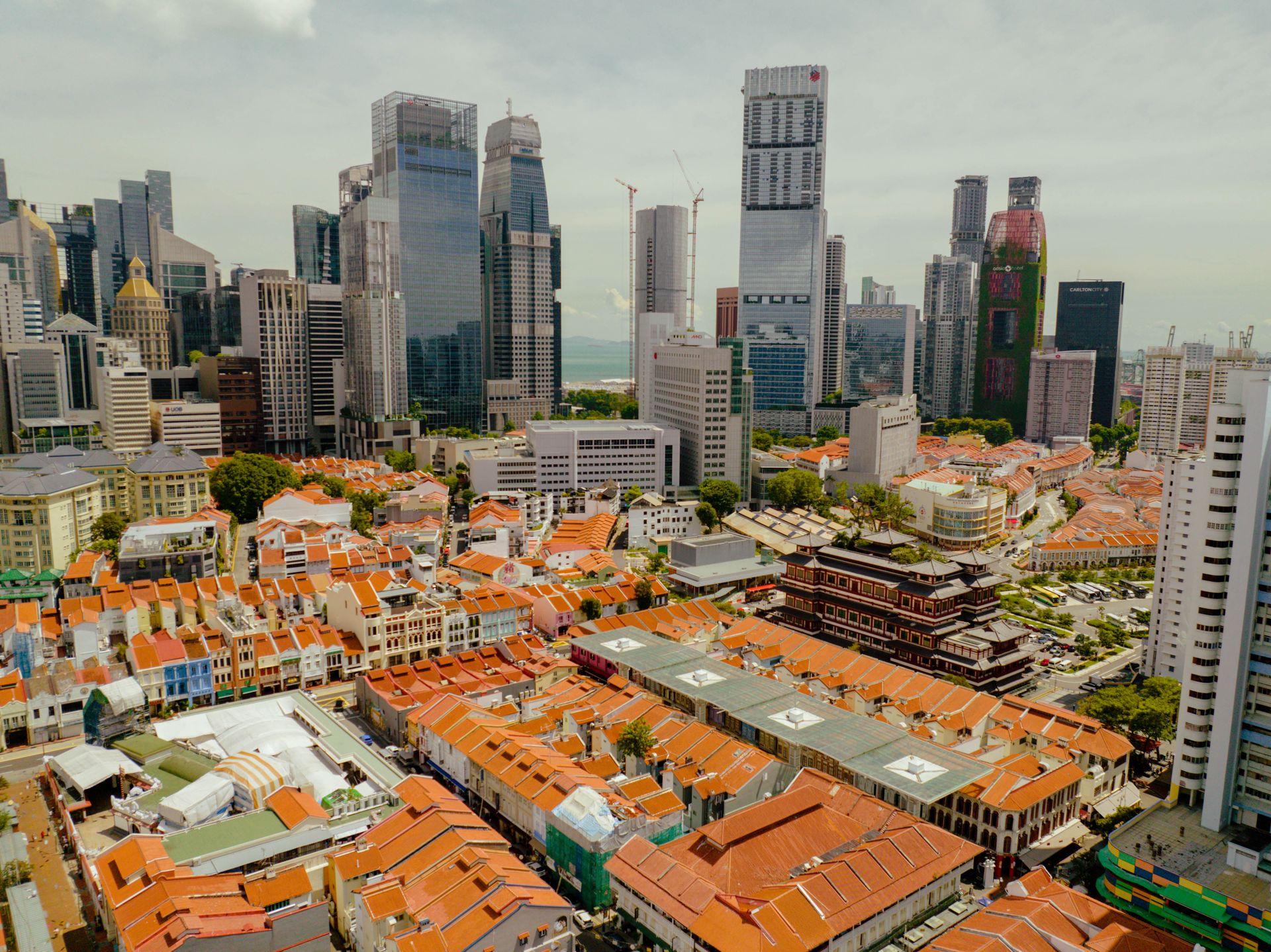
Singapore’s property market is closely connected to the country’s economic progress. As businesses expand, new industries develop, and infrastructure improves, different residential areas experience changes in demand and growth. A strong economy does more than create financial opportunities. It also shapes where people choose to live and how communities evolve.

Over the years, Singapore has transformed into a global business and innovation hub, influencing the way residential districts are planned. Homebuyers today often look beyond the appearance of a property and consider factors such as accessibility, future developments, and the potential of the surrounding area. These changing preferences show how economic growth continues to influence the property landscape.

How Economic Growth Shapes Residential Demand in Singapore

Economic expansion often creates new employment opportunities, attracting professionals, families, and businesses to different parts of the country. As more people move closer to areas with strong career prospects, demand for nearby housing naturally increases. Residential communities located near developing commercial areas often become more attractive because they offer convenience and connectivity. This growing demand can encourage further improvements in amenities, transport links, and community facilities, creating a cycle of continued development.

Understanding Property Pricing in Singapore’s Growing Districts

man

Economic development can influence how buyers evaluate property value. Growing districts often attract attention because they may benefit from improved infrastructure, new commercial activity, and better lifestyle amenities. These factors can shape buyer interest and influence how developments are positioned in the market. As more buyers explore opportunities in emerging residential areas, many are looking beyond the immediate features of a home and considering the future potential of the surrounding district. For those comparing new developments, the lucerne grand price is one of the considerations that may come alongside factors such as accessibility, upcoming transformation plans, and the overall growth outlook of the location.

The Influence of Business Hubs on Housing Choices

Business hubs play an important role in shaping nearby residential communities. When commercial areas grow, they often bring improvements in transport networks, retail options, dining spaces, and public facilities. These changes can make surrounding neighborhoods more appealing for people who want a convenient lifestyle. A strong connection between workplaces and homes can also influence housing preferences. Many residents prefer living in areas where they can reduce travel time while still enjoying access to modern amenities and comfortable surroundings.

How Infrastructure Development Supports Property Growth

Infrastructure is one of the biggest factors connecting economic development with residential growth. New roads, transport systems, and public facilities can improve accessibility and make certain locations more desirable. As connectivity improves, previously less prominent areas may gain attention from buyers and investors. Better infrastructure can support the creation of vibrant communities by making it easier for residents to access workplaces, schools, recreational spaces, and essential services.

Employment Growth and the Evolution of Communities

The expansion of industries and businesses can influence how neighborhoods develop. When employment opportunities increase in a particular area, more people may choose to live nearby for convenience and a better work-life balance. This growth often encourages the creation of complete communities where residents have access to both professional opportunities and everyday necessities. Over time, these areas can become more established as demand for housing continues to rise.

How Urban Transformation Creates New Opportunities

houses

Urban transformation has played a major role in shaping Singapore’s residential landscape. Areas undergoing redevelopment often experience changes that introduce new homes, commercial spaces, and community facilities. These improvements can change the identity of a neighborhood and attract greater interest from buyers. As districts continue to evolve, they may offer new opportunities for residents looking for modern living environments supported by strong economic growth.

The Future of Singapore’s Property Market

The future of Singapore’s property market will continue to be influenced by economic trends, planning strategies, and changing lifestyles. As the country adapts to new industries and evolving needs, residential developments will likely focus on creating balanced communities. Future buyers may place more emphasis on areas that combine career opportunities, convenience, and quality living. Understanding how economic growth affects housing demand can help people make better decisions when exploring different residential options.

Economic growth has a significant impact on Singapore’s property market by influencing demand, infrastructure, and the development of new communities. Business expansion, employment opportunities, and urban transformation all contribute to the way residential areas grow and change.…
building
How Building Design Impacts Office Resale Value

Office real estate is more than square footage and location. Design plays a powerful role in determining how a property performs in the resale market, particularly when offices for sale are offered in business districts. Buyers evaluate layout, efficiency, and long-term adaptability before making decisions. A well-designed building often commands stronger offers and sells faster. Investors who understand this connection make smarter development choices from the start. Design is not only about aesthetics. It directly influences financial return.

Functional Layout and Space Efficiency

Buyers look closely at how space is organized. Open, flexible floor plans appeal to a wide range of businesses. Companies value the ability to reconfigure workstations without expensive reconstruction. Poor layouts reduce appeal. Narrow corridors, limited natural light, or awkward room divisions create challenges. These limitations increase renovation costs for the next owner. Efficient use of square footage improves resale value. When every area serves a purpose, the building feels practical rather than wasteful. Smart circulation patterns and adaptable meeting spaces create broader market demand. A layout that supports modern work trends remains competitive longer. That longevity strengthens financial performance at resale.

Natural Light and Employee Well-Being

Natural light significantly influences buyer perception. Offices with large windows and thoughtful orientation feel more inviting. Bright interiors reduce dependence on artificial lighting and lower energy costs. Studies consistently link daylight exposure to employee satisfaction and productivity. Buyers understand this. They seek buildings that support workplace wellness. Dark interiors, by contrast, feel outdated. Retrofitting additional windows can be expensive or impossible, depending on structural constraints. Buildings designed with ample glazing from the beginning often achieve stronger valuations. When design choices ensure comfortable working environments, they enhance market appeal. Wellness-focused architecture continues to shape buyer priorities.

Architectural Appeal and Brand Image

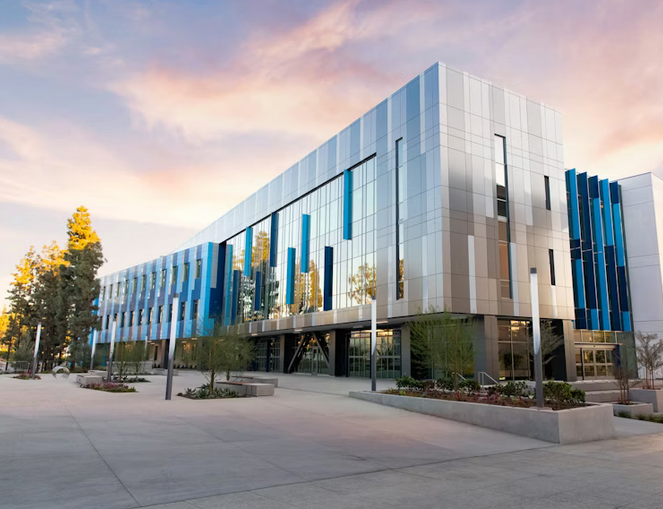
Exterior design shapes first impressions. A modern facade communicates professionalism and credibility. Clean lines, quality materials, and thoughtful landscaping contribute to perceived value. Buyers often consider how a building reflects their brand. A visually distinctive structure can help companies attract clients and employees. That branding potential adds intangible worth. However, overly specialized designs may limit audience interest. Balance matters. A building should feel refined yet adaptable. Striking a balance between bold design and market practicality protects long-term resale potential. Architecture that stands out for the right reasons creates a positive emotional response. That response influences purchase decisions.

architectural buildings

Sustainability and Energy Performance

Energy efficiency has become a critical factor in commercial real estate. Buyers increasingly prioritize sustainable buildings. Lower operating costs improve net income and overall investment return. Features such as high-performance insulation, energy-efficient HVAC systems, and advanced lighting controls reduce monthly expenses. Certifications related to environmental standards often increase property desirability. Sustainable design also reflects corporate responsibility. Many companies prefer spaces aligned with environmental values. This demand expands the buyer pool. In competitive markets, efficient buildings command premiums. Owners who invest in performance-driven design protect resale strength over time.

Technology Integration and Modern Infrastructure

Modern offices rely on strong digital infrastructure. High-speed internet capability, smart building systems, and flexible wiring layouts are no longer optional. Buyers expect them. Outdated electrical systems or limited connectivity reduce value. Upgrading these systems after construction can be disruptive and costly. Incorporating technology readiness during initial design protects long-term competitiveness. Security systems also matter. Controlled access points and surveillance features increase tenant confidence. These elements contribute to operational stability. Design decisions that anticipate technological evolution help ensure the building remains relevant. Relevance supports higher resale pricing.

Adaptability and Future-Proofing

The commercial market changes quickly. Remote work, hybrid models, and collaborative environments continue to reshape office use. Buildings that adapt easily hold stronger resale value. High ceiling heights allow flexible partitioning. Movable walls and modular designs support reconfiguration. Multi-purpose spaces increase long-term utility. Rigid layouts reduce adaptability. When structural columns restrict floor plans, renovation options shrink. Buyers calculate potential modification costs before making offers. Future-proofing protects investment. Thoughtful design today prevents obsolescence tomorrow. Buyers favor properties that can evolve alongside business trends.

Building design directly impacts office resale value. Functional layouts, natural light, architectural appeal, sustainability, technology integration, and adaptability all influence buyer perception. Each design decision shapes financial outcomes. Investors who prioritize thoughtful planning from the beginning often achieve stronger returns. Design is not simply aesthetic preference. It is a strategic financial tool. When architecture supports efficiency, wellness, and flexibility, it attracts broader interest. That demand strengthens resale potential and protects long-term investment value.…