
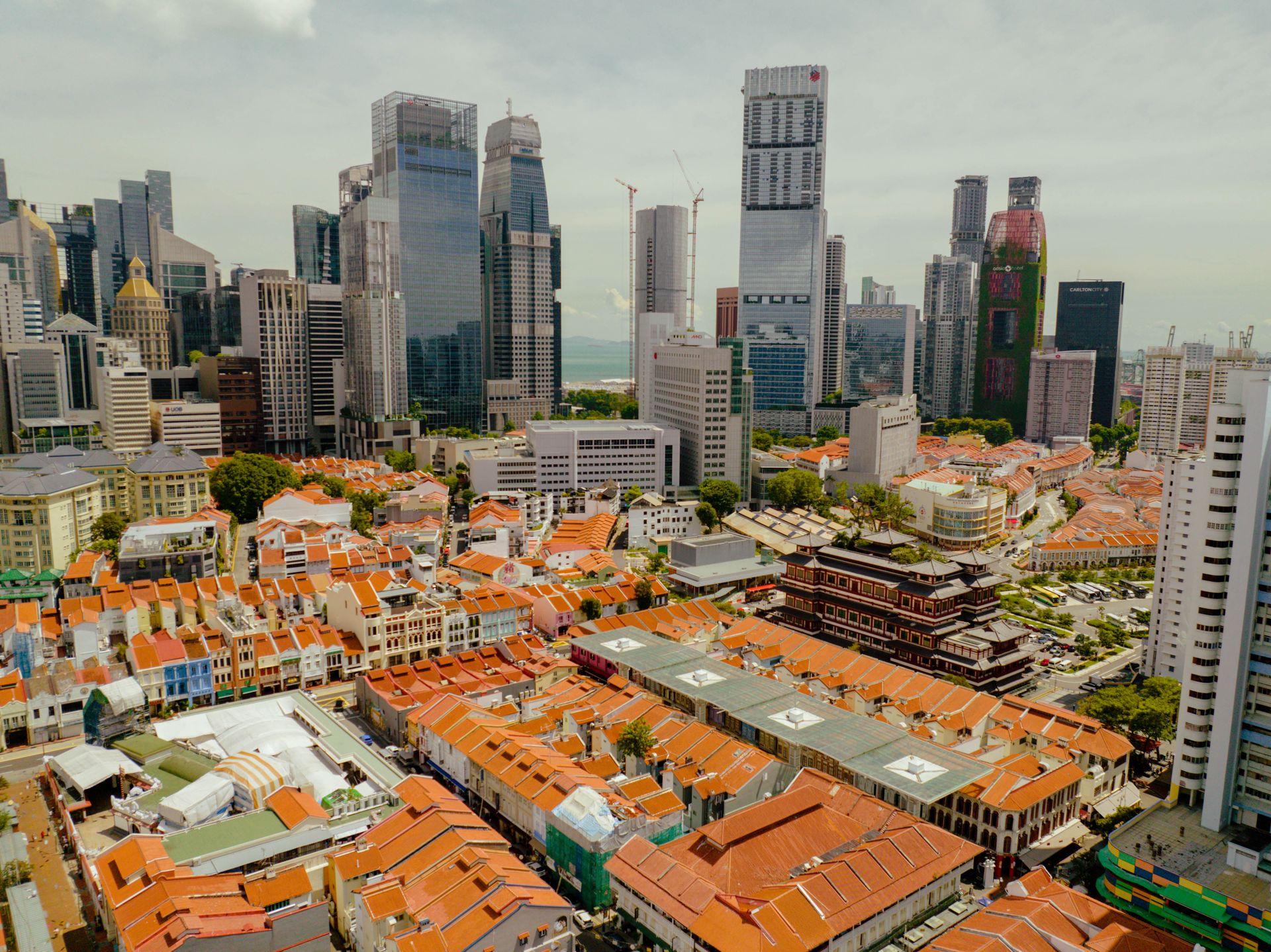
How Economic Growth Influences Singapore’s Property Market
Singapore’s property market is closely connected to the country’s economic progress. As businesses expand, new industries develop, and infrastructure improves, different residential areas experience changes in demand and growth. A strong economy does more than create financial opportunities. It also shapes where people choose to live and how communities evolve.
Over the years, Singapore has transformed into a global business and innovation hub, influencing the way residential districts are planned. Homebuyers today often look beyond the appearance of a property and consider factors such as accessibility, future developments, and the potential of the surrounding area. These changing preferences show how economic growth continues to influence the property landscape.
How Economic Growth Shapes Residential Demand in Singapore
Economic expansion often creates new employment opportunities, attracting professionals, families, and businesses to different parts of the country. As more people move closer to areas with strong career prospects, demand for nearby housing naturally increases. Residential communities located near developing commercial areas often become more attractive because they offer convenience and connectivity. This growing demand can encourage further improvements in amenities, transport links, and community facilities, creating a cycle of continued development.
Understanding Property Pricing in Singapore’s Growing Districts

Economic development can influence how buyers evaluate property value. Growing districts often attract attention because they may benefit from improved infrastructure, new commercial activity, and better lifestyle amenities. These factors can shape buyer interest and influence how developments are positioned in the market. As more buyers explore opportunities in emerging residential areas, many are looking beyond the immediate features of a home and considering the future potential of the surrounding district. For those comparing new developments, the lucerne grand price is one of the considerations that may come alongside factors such as accessibility, upcoming transformation plans, and the overall growth outlook of the location.
The Influence of Business Hubs on Housing Choices
Business hubs play an important role in shaping nearby residential communities. When commercial areas grow, they often bring improvements in transport networks, retail options, dining spaces, and public facilities. These changes can make surrounding neighborhoods more appealing for people who want a convenient lifestyle. A strong connection between workplaces and homes can also influence housing preferences. Many residents prefer living in areas where they can reduce travel time while still enjoying access to modern amenities and comfortable surroundings.
How Infrastructure Development Supports Property Growth
Infrastructure is one of the biggest factors connecting economic development with residential growth. New roads, transport systems, and public facilities can improve accessibility and make certain locations more desirable. As connectivity improves, previously less prominent areas may gain attention from buyers and investors. Better infrastructure can support the creation of vibrant communities by making it easier for residents to access workplaces, schools, recreational spaces, and essential services.
Employment Growth and the Evolution of Communities
The expansion of industries and businesses can influence how neighborhoods develop. When employment opportunities increase in a particular area, more people may choose to live nearby for convenience and a better work-life balance. This growth often encourages the creation of complete communities where residents have access to both professional opportunities and everyday necessities. Over time, these areas can become more established as demand for housing continues to rise.
How Urban Transformation Creates New Opportunities

Urban transformation has played a major role in shaping Singapore’s residential landscape. Areas undergoing redevelopment often experience changes that introduce new homes, commercial spaces, and community facilities. These improvements can change the identity of a neighborhood and attract greater interest from buyers. As districts continue to evolve, they may offer new opportunities for residents looking for modern living environments supported by strong economic growth.
The Future of Singapore’s Property Market
The future of Singapore’s property market will continue to be influenced by economic trends, planning strategies, and changing lifestyles. As the country adapts to new industries and evolving needs, residential developments will likely focus on creating balanced communities. Future buyers may place more emphasis on areas that combine career opportunities, convenience, and quality living. Understanding how economic growth affects housing demand can help people make better decisions when exploring different residential options.
Economic growth has a significant impact on Singapore’s property market by influencing demand, infrastructure, and the development of new communities. Business expansion, employment opportunities, and urban transformation all contribute to the way residential areas grow and change.